

Mediterranean climate zones could expand to cover 40 to 45 percent of Turkey by the end of the century as hotter and drier conditions increase the risks of wildfire, water shortages and crop losses, a study has found.
The projections come as Turkey prepares to host the 31st United Nations Climate Change Conference (COP31) in the Mediterranean city of Antalya from November 9 to 20. The annual summit brings governments together under the United Nations Framework Convention on Climate Change (UNFCCC) to negotiate action on global warming.

The study, published in February 2025 in Theoretical and Applied Climatology, was conducted by climatologist Murat Türkeş, an executive board member at Boğaziçi University’s Center for Climate Change and Policy Studies, and physical geography researcher Nami Yurtseven of İzmir Bakırçay University.
The researchers compared Turkey’s climate zones in the 1961 to 1990 and 1991 to 2020 periods. They also projected changes for 2041 to 2070 and 2071 to 2099 under low, medium and very high emissions scenarios used by the Intergovernmental Panel on Climate Change (IPCC).
Hotter and drier climate zones expand
The share of Turkey classified as having a dry and hot summer Mediterranean climate increased from 28.9 percent in 1961 to 1990 to 31.8 percent in 1991 to 2020. The share covered by a semi-arid steppe climate rose from 21.9 percent to 24.2 percent, while the area with a cold climate and dry, warm summers fell from 24 percent to 19.3 percent.
Under the emissions scenarios examined, hot or very hot subtropical Mediterranean climates could cover 40 to 45 percent of Turkey by the end of the century. Semi-arid steppe climates could cover another 30 to 35 percent, while cold climate zones could remain across only about 10 percent of the country. Desert climates are also expected to expand under medium and very high emissions scenarios.
Turkey recorded a national temperature record of 50.5 degrees Celsius (122.9 degrees Fahrenheit) on July 25, 2025, at a weather station in Silopi in the southeastern province of Şırnak.
Wildfire and water risks spread
As Mediterranean conditions move north and to higher elevations, longer summer droughts, extreme heat and low humidity could extend the annual fire season and expose forests outside Turkey’s Mediterranean and Aegean coasts to greater risk.
Turkey’s 2021 forest fires burned more than 160,000 hectares across the Mediterranean and Aegean regions. Fires have continued to affect western and northwestern provinces during periods of heat and drought.
Under the very high emissions scenario for 2041 to 2070, Mediterranean climate zones could move an average of 120 meters higher. Humid temperate climates could shift upward by about 220 meters, while cold climates could retreat by about 290 meters. Species adapted to colder conditions would be pushed toward mountain summits, leaving less habitat available.
Agriculture and glaciers face losses
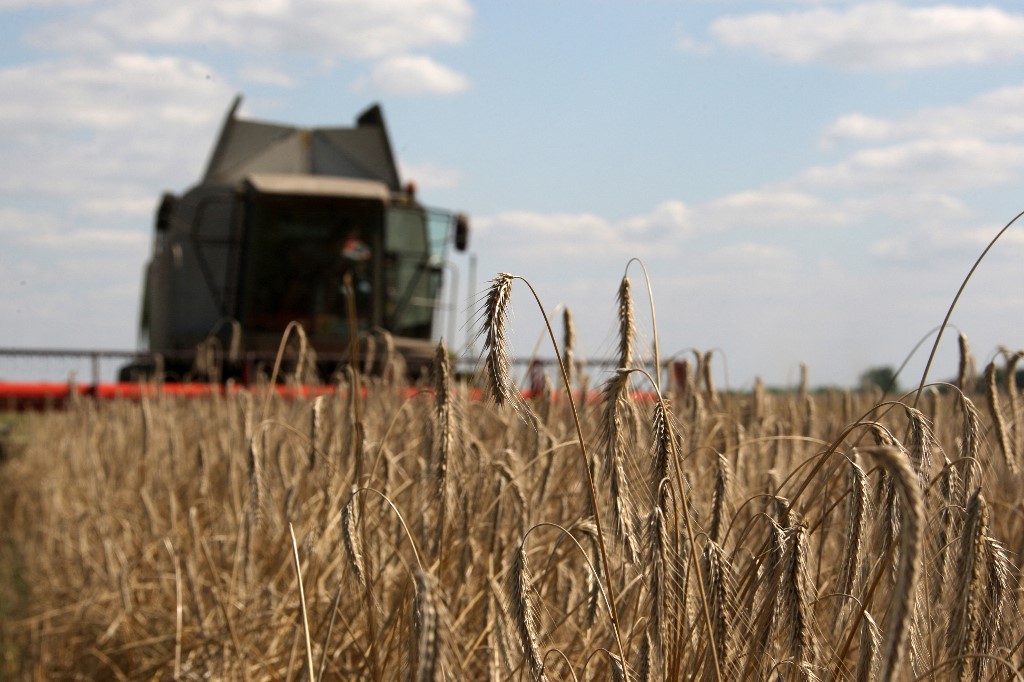
Mediterranean crops such as olives, almonds, figs, grapes and pistachios could be grown farther north. However, heat stress, lower rainfall and greater irrigation needs could reduce the benefit of that expansion. Wheat, barley, sugar beet and corn yields could fall as temperatures and water demand rise, the researchers warned.
Reduced snowfall could limit the replenishment of reservoirs and groundwater. Combined with intensive land and water use, the change could accelerate desertification in southern central Anatolia and Turkey’s inner western regions.
A warmer atmosphere could also produce heavier downpours, leaving some regions exposed to both long dry periods and sudden floods.
The study projects that almost no glaciers will remain in Turkey’s high mountains by 2071 to 2099, with possible exceptions in the highest parts of the eastern Black Sea mountains and Mount Ararat.