

Turkey raised withholding taxes on lira-denominated deposits and mutual funds, tightening its grip on household savings as it seeks fresh revenue to ease the budget deficit, Bloomberg reported on Wednesday.
The tax on deposits with maturities of up to six months was increased to 17.5 percent from 15 percent, according to a presidential decree published on Tuesday. For deposits of up to one year it rose to 15 percent from 12 percent. Mutual fund earnings, excluding equity-heavy and long-term real estate or venture capital funds, will be taxed at 17.5 percent, up from 15 percent.
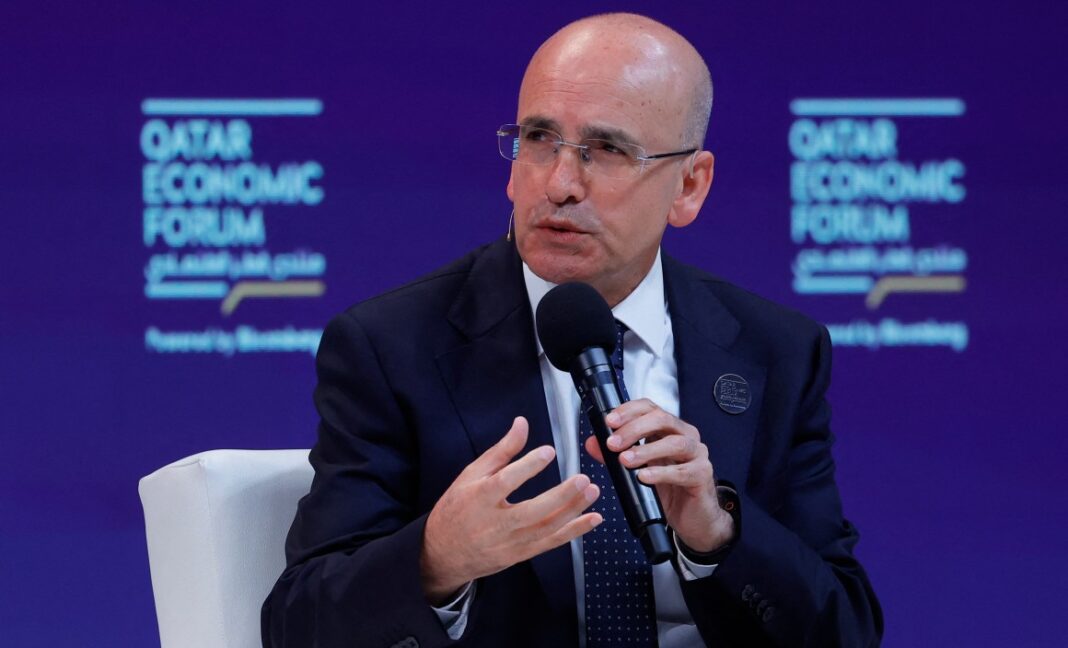
The move comes after Turkey’s Treasury and Finance Minister Mehmet Şimşek acknowledged some weakness in the country’s budget revenues in a speech in London on Tuesday. Turkey’s budget deficit target of 3.1 percent for 2025, relative to gross domestic product, “may not be reached because revenue performance isn’t as strong as expected,” Şimşek, according to the state-run Anadolu news agency.
While the hikes may bolster public finances as the government faces a widening budget deficit, it also complicates the central bank’s campaign to de-dollarize the economy and encourage lira savings by offering positive real returns. Most analysts expect the bank to cut rates in July.
“This withholding tax increase was a surprise,” said Batuhan Özşahin, chief investment officer at Ata Portfoy. “Since it comes to both deposits and mutual funds on the lira side, there is not much alternative for the investor in terms of switching from one product to another.”
Mehmet Gerz, CEO of Osmanli Portfoy, said the move could push investors toward equities. The benchmark Borsa Istanbul 100 Index was up 0.8 percent as of 11:07 a.m. in İstanbul.
The budget deficit reached 650 billion lira ($16 billion) in the first five months of 2025, up 38 percent from the same period last year. Spending rose 44 percent, driven in part by an increase in interest payments. The government is targeting a full-year deficit of 1.93 trillion lira, with its medium-term program projecting a shortfall of 3.1 percent of GDP.
Meanwhile, the amount of money parked at investment funds stood at 6.25 trillion lira as of July 8, according to data from the Central Securities Depository.
Following the arrest of İstanbul Mayor Ekrem İmamoğlu in March, which led to a steep selloff in Turkish markets, the central bank responded with interest rate hikes and additional measures. While these steps made money market funds attractive, the central bank also drained excess liquidity multiple times to push deposit rates higher.
Although the dollar has lost value against most emerging market currencies due to global trade wars, it’s gained against the lira due to Turkey’s political turmoil. The lira has depreciated nearly 12 percent this year, the most in the world after the Argentine peso.