


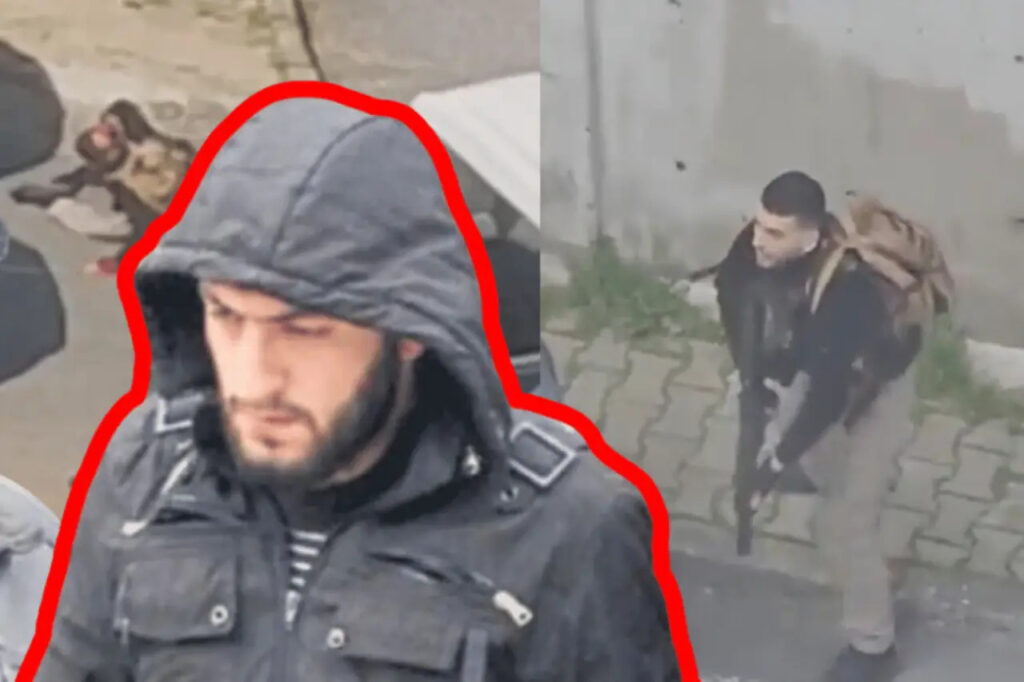
One of the attackers killed in a shootout outside the Israeli Consulate General in İstanbul on Tuesday had previously been subject to counterterrorism measures over alleged links to the Islamic State in Iraq and the Levant (ISIL), raising questions about how he remained free despite earlier scrutiny, the Serbestiyet news website reported.
The suspect, identified as Yunus Emre Sarban, 32, was killed during Tuesday’s clash with police in the Beşiktaş district. Two other attackers were wounded and detained, while two police officers were slightly injured.
Interior Minister Mustafa Çiftçi said the attackers arrived in İstanbul in a rental vehicle from İzmit, a city about 86 kilometers (50 miles) away and that one of the assailants was affiliated with an “organization that exploits religion.”
The ministry later clarified that the gunman who was killed “had connections to a terrorist group.”
Turkish officials would not immediately reveal the name of the group, but Turkish media said it could be ISIL, whose members clashed with Turkish police in Yalova, which sits on the shores of the Sea of Marmara about 90 kilometers (55 miles) southeast of İstanbul.
Records show that Sarban had previously been subject to counterterrorism measures linked to ISIL.
His assets were frozen in April 2021 over alleged ISIL links, according to a decision published in the Official Gazette.
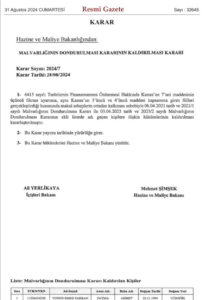

The freeze was lifted on August 31, 2024, on the grounds that the “reasonable suspicion” had been eliminated.
There is no public record showing that Sarban was prosecuted or jailed on charges of ISIL membership.
Sarban was also involved in a family-related killing in Adana in 2018, according to Turkish media reports. His father was sentenced to 18 years in prison in connection with the case, while Sarban was released after three months under judicial supervision.
The sequence of events, an asset freeze for alleged ISIL links, its removal in 2024 and Sarban’s involvement in a deadly attack, is likely to draw scrutiny over how such cases are handled.
Government officials have not said whether Sarban was under surveillance before the attack.
Turkey shares a 900-kilometer (560-mile) border with Syria and has faced repeated ISIL attacks in the past decade, including a January 1, 2017, nightclub attack in İstanbul that killed 39 people.
While Turkey has officially designated ISIL as a terrorist organization and conducted periodic raids against its cells, intelligence reports and previous court cases have shown that ISIL financial couriers and facilitators have operated from Turkish cities, particularly along the southern border.
Opposition lawmakers have previously accused the government of failing to prevent or properly investigate the presence of ISIL militants in Turkey.