
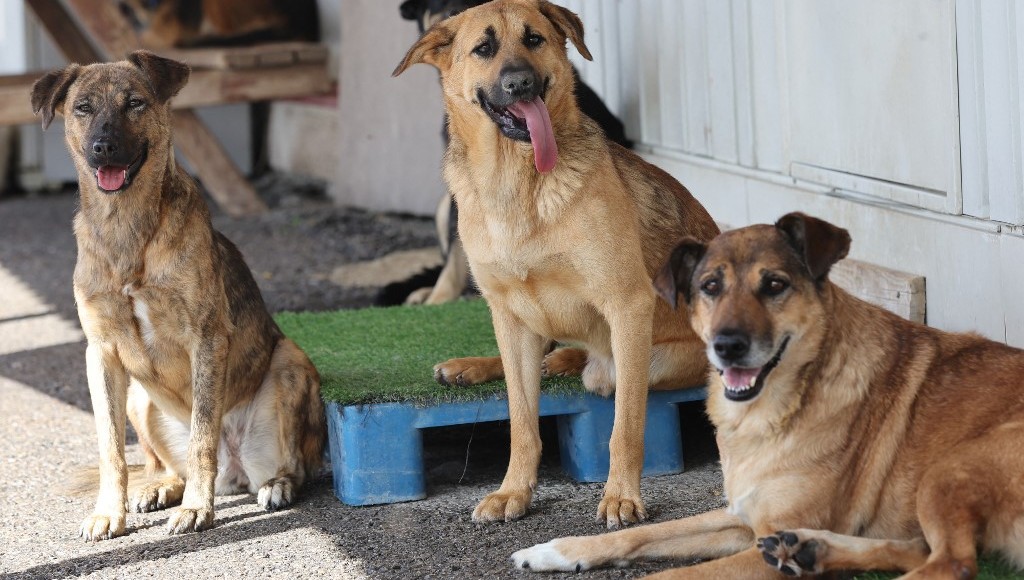

Turkey has rounded up some 75 percent of stray dogs under a nationwide campaign, Interior Minister Mustafa Çiftçi said in remarks broadcast by the state-run TRT Haber.
Çiftçi said three out of every four strays had been taken either to shelters or to what authorities call natural living areas. He said the policy was intended to improve public safety and move dogs from the streets into municipal care.
The minister cited dog attacks as a reason for the campaign, recalling a case in Erzurum last year in which, he said, a child was seriously injured by stray dogs. He also said food waste collected under Turkey’s Zero Waste Project was being processed into animal feed for shelters.
The roundup follows amendments passed by parliament in July 2024 to Turkey’s Animal Protection Law, backed by the ruling Justice and Development Party (AKP) and its nationalist ally, the far-right Nationalist Movement Party (MHP). The legislation, Law No. 7527, requires municipalities to capture stray dogs and put them in shelters. Dogs deemed dangerous, terminally ill or unfit for adoption may be euthanized under provisions of the Veterinary Services Law.
While the bill initially included explicit language permitting euthanasia, that term was later removed from the text after public backlash. Still, the law drew strong opposition from animal rights groups and the main opposition Republican People’s Party (CHP), which argued that it opened the door to mass killings and failed to meet animal welfare standards. Critics dubbed it a “massacre law.”
Opponents have also said Turkey lacks the shelter capacity to implement the law humanely. Reuters reported when the law was passed that Turkey had an estimated 4 million stray dogs but only 322 shelters with room for about 105,000 animals.
The CHP petitioned the Constitutional Court in August 2024 to annul most of the law’s provisions, arguing that it violated the right to life and contradicted international agreements. But the court rejected the challenge in May 2025, leaving the law in force.