


Turkey cut its purchases of Russia’s Urals crude oil in November as Western sanctions narrowed the number of suppliers Turkish refiners can work with and companies increased their use of alternative grades, according to shipping data cited by Reuters.
Data from Kpler showed that Urals shipments to Turkey dropped by about 100,000 barrels per day from October, falling to roughly 200,000 bpd last month. Figures from LSEG pointed to the same trend.
Turkey has been one of the largest buyers of Russian crude since 2022, when European refiners halted purchases due to Russia’s war on Ukraine. Since then, it has ranked behind only India among seaborne importers of Urals, Reuters said, citing LSEG data.
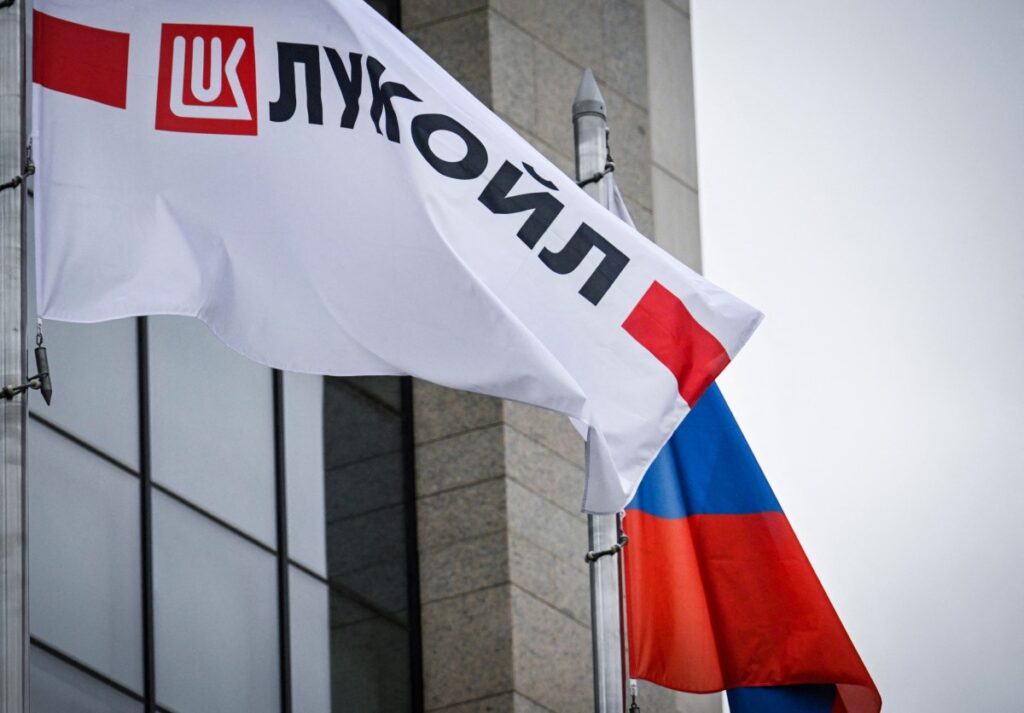
The decline coincides with tightening US sanctions on Russian energy companies, including Lukoil and Rosneft, which has reduced the number of intermediaries Turkish refiners can rely on.
Turkish companies are also adjusting to an upcoming European Union ban on fuel produced from Russian oil, scheduled to come into force at the end of January 2026.
As Urals arrivals fell, Turkey increased imports of other grades such as Kazakhstan’s CPC Blend and KEBCO as well as Iraq’s Basrah crude, according to Kpler data.
CPC Blend is loaded at Russia’s Yuzhnaya Ozereyevka port but is largely sourced from Kazakh producers, making it exempt from Western restrictions on Russian oil. Turkey imported 105,000 bpd of CPC Blend in November, the highest level since February 2024. Turkey had taken some Russian-origin CPC Blend earlier in 2025 but stopped doing so in September, Reuters reported.
In June Turkey’s Urals imports reached almost 400,000 bpd, a multi-month high, according to Kpler.
Refiners’ ability to replace Urals remains limited because the Mediterranean market has few crude grades with a comparable profile. CPC Blend deliveries to Turkey could also face challenges following a recent attack on the Caspian Pipeline Consortium terminal, Reuters added.
The drop in Turkey’s purchases of Russian oil comes amid pressure from the United States. When President Recep Tayyip Erdoğan met with US President Donald Trump at the White House in September, Trump urged Erdoğan to stop buying Russian oil due to the war in Ukraine while hinting that he may drop a ban on Ankara buying US stealth fighter jets.
Erdoğan was making his first visit to the White House since 2019 — the same year Washington removed Turkey from the F-35 Joint Strike Fighter program over the NATO ally’s purchase of a Russian air defense system.
Trump said they would talk “very seriously” about ending the rift over the high-tech planes and said he was ready to lift sanctions against Ankara over the purchase of Russian S-400 missiles if the meeting went well.
But he also pushed the key issue of Ukraine with Erdoğan, whose country has refused to join international sanctions on Moscow and has even stepped up its purchases of Russian oil.
“I’d like to have him stop buying any oil from Russia while Russia continues this rampage,” Trump told reporters at the start of the meeting in the Oval Office.
Erdoğan had influence over Russian President Vladimir Putin, Trump said, but added, “The best thing he could do is not buy oil and gas from Russia.”
Turkey is Russia’s fourth-biggest trading partner, according to Europe’s Bruegel institute, which tallied $52 billion worth of exchanges last year — largely fossil fuels and electronics.