


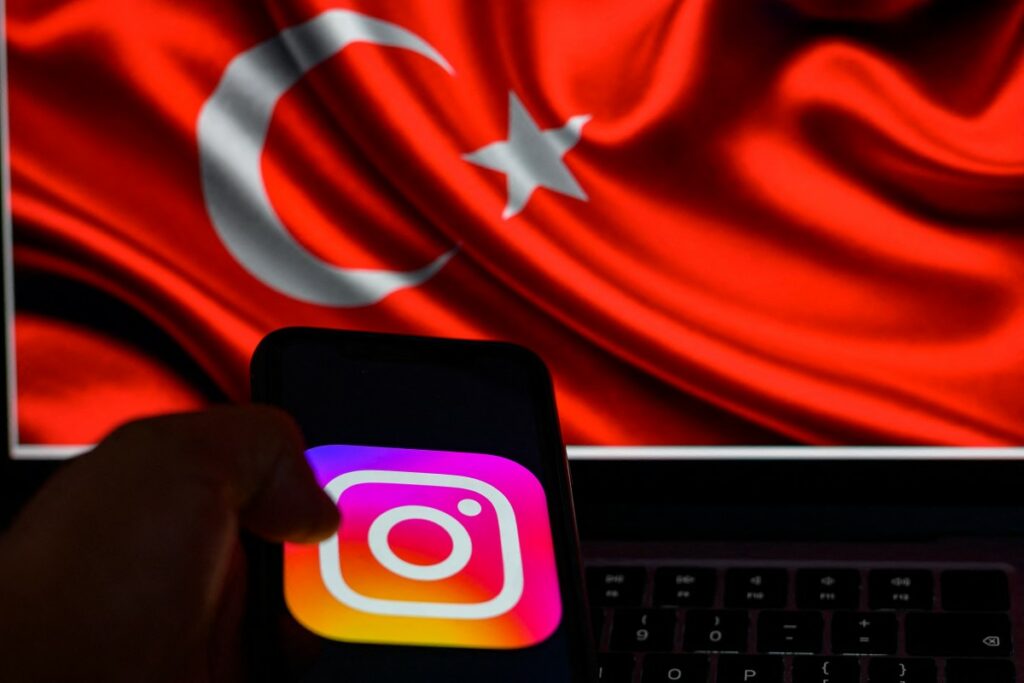
Turkey’s trade ministry is preparing a regulation to tighten oversight of influencer advertising on social media, introducing stricter transparency requirements, new rules on artificial intelligence and categorical bans on fortune-telling, illegal betting and child-targeted promotions, the Türkiye Gazetesi news website reported on Monday.
The ministry began drafting the regulation following a surge in social-media-based commercial content and rising consumer complaints, aiming to create clearer and more standardized labelling across influencer posts, according to Türkiye.
Under the proposal, influencer advertisements must be clearly marked as commercial content. Tags such as #Reklam (Ad), #Sponsor (Sponsored), #İşbirliği (Collaboration), #Ortaklık (Partnership), #Hediye (Gift) or #Davet (Invitation) will be mandatory and must appear alongside identifying information about the advertiser.
Statements like “Provided by @[advertiser]” or “Thanks to @[advertiser]” will also be required and audio content will carry upfront disclosures.
Turkey, a nation of about 86 million people, had 58.5 million social media users as of May, according to Transport and Infrastructure Minister Abdulkadir Uraloğlu.
That growing online audience is helping drive rapid expansion in the influencer advertising market. Statista estimates that ad spending in the sector will reach $81.2 million in 2025, with annual growth projected at 15.25 percent through 2030, pushing the market to about $165.1 million by the end of the decade.
According to the new regulation, discount-related promotions using terms like “discounted” or “advantageous” must list interest or profit rates, while campaigns such as “3 for 2” or “buy one get one free” must include clear start and end dates.
Limited stock levels must be stated and discount claims must be based on the lowest price in the 10 days before the campaign. Threshold-based offers will require the purchase of at least two products.
According to Türkiye, the draft also adds transparency obligations for filters, AI tools and digital characters. Influencers must disclose when artificial intelligence is used to alter or enhance product appearance. Ads implying that an AI-generated replica of a person personally used or endorsed a product will be prohibited.
Complete advertising bans will apply to fortune-tellers, mediums, astrologers and similar services, along with illegal betting. Content suggesting that supplements can replace normal food or that a product can treat diseases will be barred.
Restrictions on pharmaceutical, medical product, electronic cigarette, tobacco and alcohol advertising remain unchanged. Loot-box-style digital promotions will require disclosure of item probability, and targeted advertising to children will be banned entirely. Other targeted ads will require explicit consumer consent. Online consumer reviews, both positive and negative, may be republished across platforms.
The proposal comes as Turkey faces growing scrutiny over its digital environment. The US-based democracy watchdog Freedom House’s 2025 Freedom on the Net report placed Turkey among the five countries with the steepest long-term declines in internet freedom, citing broad censorship practices and intensified digital controls over the past 15 years. The organization gave Turkey a score of 31 out of 100, putting it in the bottom tier of the 72 countries assessed.