


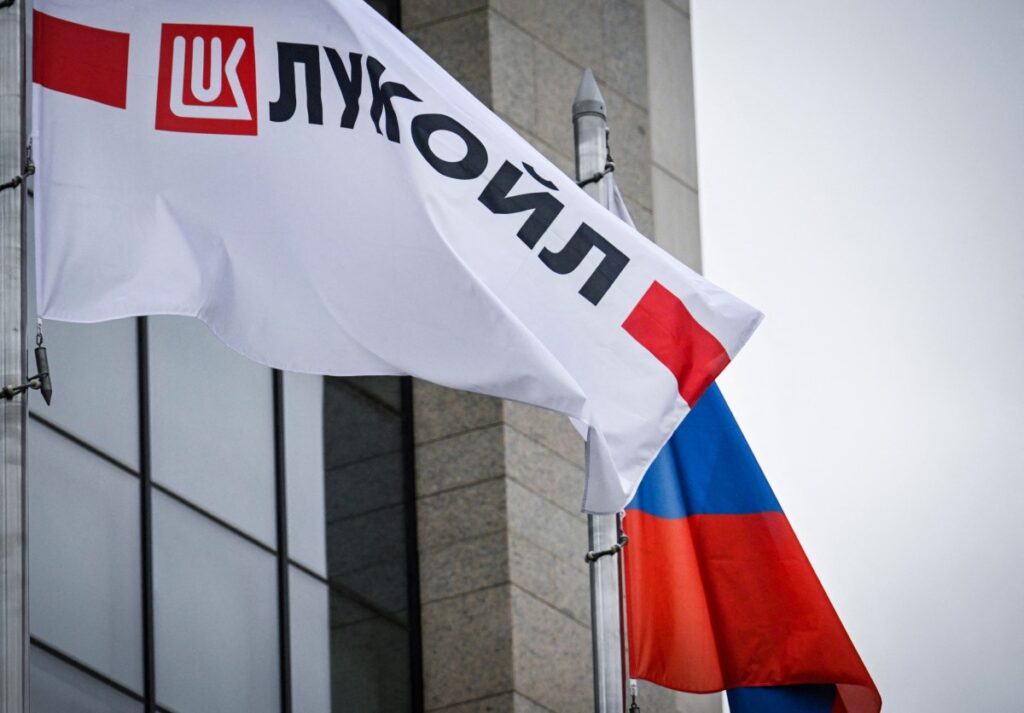
Russia’s Lukoil announced Monday it will sell its international holdings, including more than 600 gas stations in Turkey, following a new round of US sanctions targeting Moscow’s energy sector.
The decision comes after the administration of US President Donald Trump imposed restrictions last week on Lukoil and state-backed Rosneft, Russia’s two largest oil producers, in an effort to curtail revenue funding the war in Ukraine. Together, the two companies account for more than half of Russia’s oil output.
Lukoil said the asset sales would take place under a wind-down license issued by the US Treasury Department’s Office of Foreign Assets Control (OFAC) and that it may seek an extension to maintain uninterrupted operations.
Lukoil entered the Turkish market in 2008 with the $500 million purchase of fuel retailer Akpet. The company now runs more than 600 service stations across Turkey and supplies crude oil to the STAR refinery, operated by Azerbaijan’s state energy company SOCAR.
US Treasury Secretary Scott Bessent said the sanctions were imposed due to Russia’s “lack of serious commitment to a peace process to end the war in Ukraine.” The measures freeze all Lukoil and Rosneft assets in the United States and bar American firms from doing business with them. Britain imposed similar restrictions earlier this month, also targeting 44 tankers accused of helping Moscow circumvent export limits.
Lukoil’s foreign portfolio includes major refining assets in southeastern Europe, such as Bulgaria’s Neftohim Burgas refinery — the largest in the Balkans — and Romania’s Petrotel refinery. It also has stakes in Iraq’s West Qurna 2 oil field, Azerbaijan’s Shah Deniz gas project and energy ventures in Central Asia, Africa and Latin America.
Officials in Bulgaria and Romania are working to facilitate the sale of Lukoil’s regional assets before the sanctions take full effect on November 21. Analysts have warned that a shutdown of the Burgas refinery could spark a regional energy crisis and fuel price spikes.
In a televised address Ukrainian President Volodymyr Zelensky welcomed the sanctions as “a big step,” while Russian President Vladimir Putin condemned them as “an unfriendly act,” insisting Moscow “will not be intimidated.”
Lukoil said it has begun reviewing bids from potential buyers and pledged to maintain stable operations during the transition.