


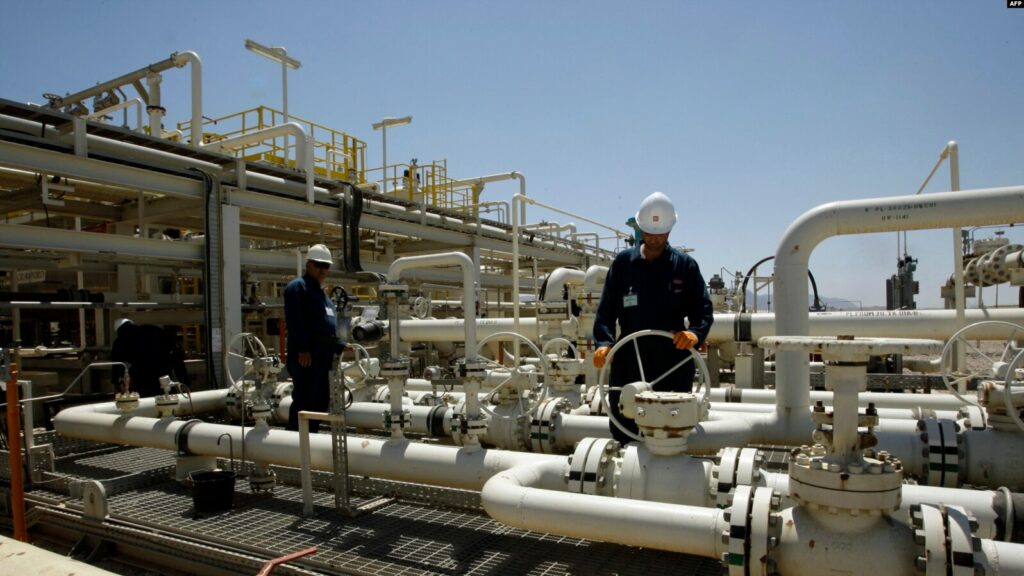
Iraq’s federal government has given preliminary approval to a plan to resume pipeline oil exports from the semi-autonomous Kurdistan region through Turkey after an 18-month suspension, Reuters reported on Friday, citing sources familiar with the talks.
According to Reuters’ sources, the draft deal involves Iraq’s State Oil Marketing Organization (SOMO), the Kurdistan Regional Government (KRG) in Erbil and international oil companies. It would add at least 230,000 barrels per day of supplies at a time when producers in the Organization of the Petroleum Exporting Countries (OPEC) are raising output to regain market share.
The Kirkuk-Ceyhan pipeline, which carries crude to Turkey’s Mediterranean port of Ceyhan, has been closed since March 2023. The shutdown followed an International Chamber of Commerce arbitration ruling that ordered Turkey to pay around $1.5 billion in damages for unauthorized Kurdish exports between 2014 and 2018.
While Turkey has signaled willingness to reopen the line, exports have remained halted because of legal disputes between Baghdad, the KRG and the international companies producing in northern Iraq.
Two sources told Reuters that Iraq’s cabinet has now endorsed a preliminary framework and that oil companies have also given tentative approval. The Association of the Petroleum Industry of Kurdistan (APIKUR), which represents companies including Genel Energy, DNO and Gulf Keystone, declined to comment, citing ongoing negotiations.
“Discussions have intensified, and we’re closer to a tripartite agreement than we’ve ever been, as all are showing flexibility,” an executive from one of the companies told Reuters.
Under the draft plan, the KRG would deliver at least 230,000 barrels per day to SOMO, while retaining 50,000 barrels per day for local use. An independent trader would handle sales from Ceyhan using SOMO’s official prices. For each barrel sold, $16 would be transferred to an escrow account and distributed to producers, with the remainder of the revenue going to SOMO.
The plan does not specify how or when producers will receive about $1 billion in unpaid arrears that accrued between September 2022 and March 2023.
Luke Clements, the chief financial officer of Genel Energy, told a conference in Oslo last week that “significant progress” had been made in drafting agreements to restart exports, but added, “It still needs to get over the line.”