


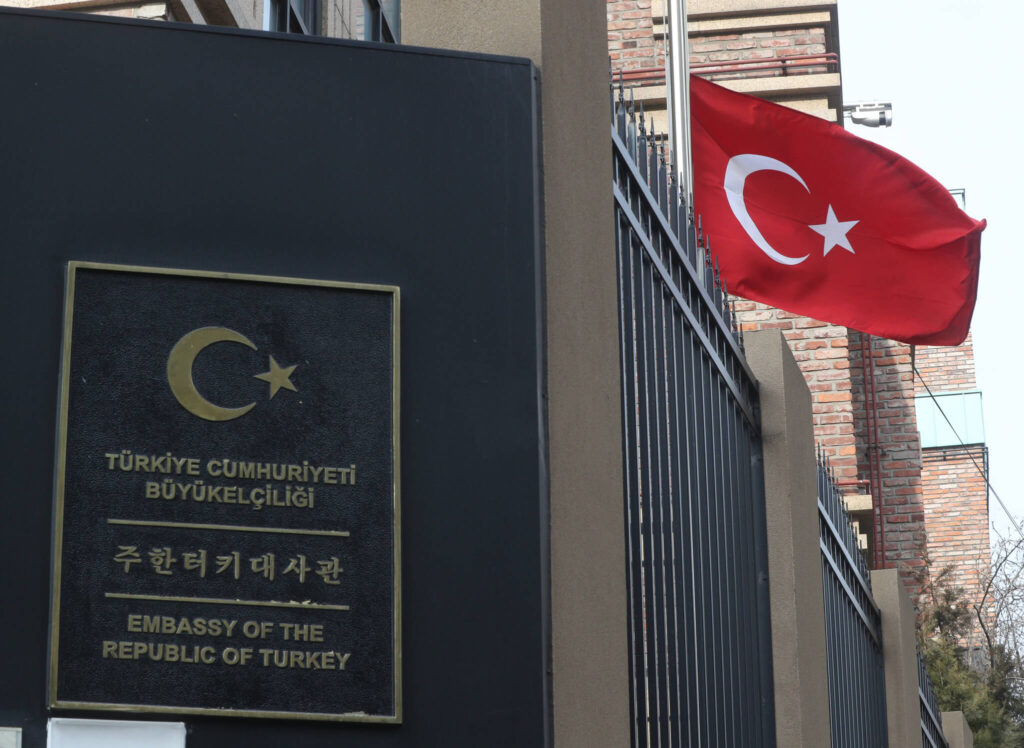
A Turkish diplomat allegedly struck a taxi while driving under the influence, fled the scene and then cited his diplomatic immunity to avoid a breathalyzer test, according to reports from South Korean media.
Sezai Tolga Şimşir, the first undersecretary at the Turkish Embassy in Seoul, is involved in the incident, which occurred on August 3 near Seoul Station in the capital’s Jung District.

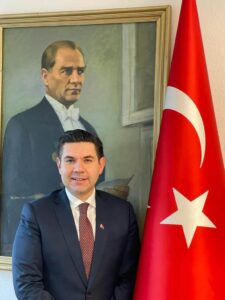
According to reports, Şimşir had his right turn signal on but continued driving straight, striking a taxi. He then fled the scene and was pursued by the taxi driver. He allegedly stopped in Seoul’s Yongsan District, assaulted the driver and attempted to seize the driver’s mobile phone.
When the police arrived and attempted to question him, Şimşir refused to cooperate, claiming diplomatic immunity. He declined to take a breathalyzer test but later admitted to consuming two glasses of wine and half a glass of whisky before getting behind the wheel.
ALTYAZI | Güney Kore, Türkiye’nin Seul Büyükelçiliği’nde Birinci Müsteşar Sezai Tolga Şimşir’i konuşuyor:
“Sağ sinyali açıkken, düz giden taksiye çarptı. 20 dakika kaçtı ve taksi şoförüne saldırdı, cep telefonunu çalmaya çalıştı.
Polise dokunulmazlığı olduğunu söyledi ve… pic.twitter.com/gmYtigkdR9
— serbestiyet (@serbestiyetweb) August 7, 2025
A spokesperson for South Korea’s Ministry of Foreign Affairs said Wednesday that the government had expressed serious concerns through diplomatic channels and urged Turkish authorities to fully cooperate with the investigation.
The ministry added that it is taking “appropriate measures” in cooperation with relevant agencies and reiterated its position that all diplomatic personnel are expected to fully comply with South Korean law.
Under the Vienna Convention on Diplomatic Relations, accredited diplomats are immune from arrest, detention and criminal prosecution in the host country. If the Turkish government does not waive Şimşir’s immunity, the case could be closed without indictment.
The South Korean Foreign Ministry said it will consult with the Turkish Embassy once the police investigation concludes to determine whether immunity will be maintained.
As of Thursday, the Turkish Foreign Ministry had not issued a public statement regarding the incident.
When the Turkish government launched a massive crackdown on non-loyalist people following a coup attempt in July 2016 on the pretext of an anti-coup fight and purged more than 127,000 people from the civil service, the foreign ministry was among the hardest-hit institutions, losing a significant portion of its personnel through government decrees.
Former foreign minister Mevlüt Çavuşoğlu revealed in October 2022, in response to a parliamentary question, that 662 ministry employees had been removed from public service since July 20, 2016, when the government declared a state of emergency that lasted for two years.
The minister did not reveal how many of the purged personnel were career diplomats and how many were civil servants.
The foreign ministry, known as the most prestigious state institution in Turkey, used to select its personnel from successful graduates of well-known universities who received the highest scores on the central state personnel exam in addition to interviews conducted by the ministry.
Now, the ministry’s diplomats frequently come under criticism due to their poor language skills, lack of professional credentials and controversial acts in diplomatic settings.
The Turkish government has long been the target of criticism for ending merit-based appointments in state agencies, engaging in favoritism and filling state posts with its cronies.