

Fatih Yurtsever*
Turkey’s decision, announced on July 20, 2025, to terminate its longstanding Turkey-Iraq Crude Oil Pipeline Agreement effective July 27, 2026, has drawn increased international attention to Ankara’s energy strategy amid escalating regional tensions. Signed by President Recep Tayyip Erdoğan and published in Turkey’s Official Gazette, the decision ends an agreement dating back to 1973 that allowed crude oil exports from Iraq’s Kirkuk region to Turkey’s Mediterranean port of Ceyhan. With the pipeline inactive for more than two years due to arbitration disputes and tensions between Iraq’s central government in Baghdad and the semi-autonomous Kurdistan Regional Government (KRG), the termination raises important questions about whether Ankara is pursuing a new strategic direction or inadvertently increasing economic and geopolitical risks.
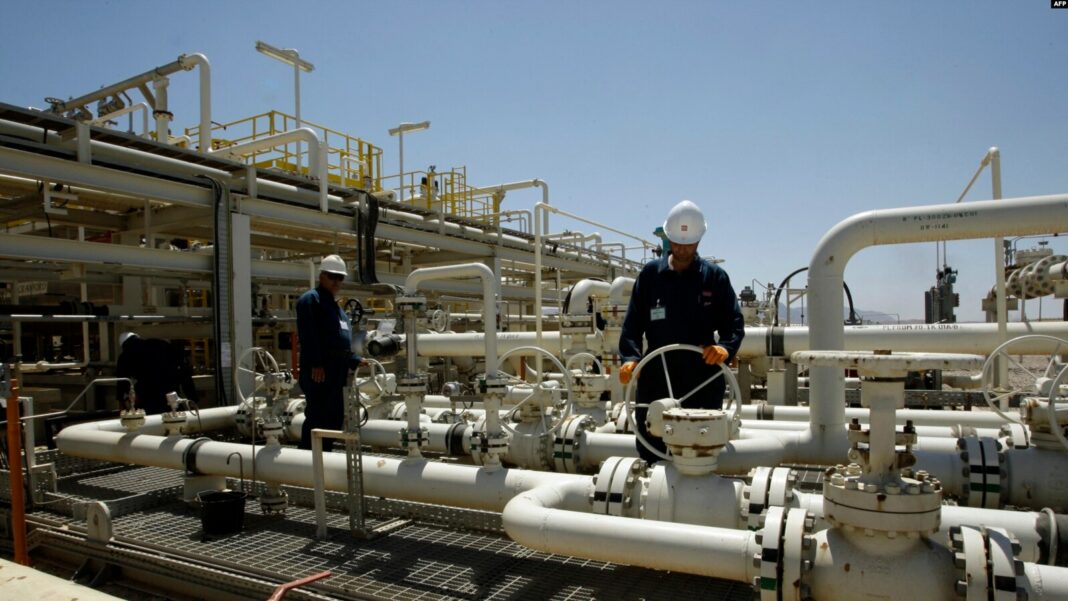
For over five decades, the 960-kilometer Kirkuk-Ceyhan pipeline has been central to Turkey-Iraq energy cooperation. Initially designed to transport up to 1.6 million barrels per day (bpd), the pipeline’s actual throughput has typically been lower due to maintenance requirements and security threats. Originally established through a 1973 intergovernmental agreement that was most recently renewed in 2010 for an additional 15 years, the pipeline provided Turkey with significant transit revenue and enhanced its geopolitical status as an energy corridor. However, operations faced severe disruptions in 2014 following attacks by Islamic State militants, redirecting oil exports toward KRG-controlled channels. These unauthorized exports led to a March 2023 arbitration ruling by the International Chamber of Commerce in Paris, ordering Turkey to pay Iraq roughly $1.5 billion for oil transfers made between 2014 and 2018 without Baghdad’s consent. Following the ruling, Ankara ceased pipeline operations entirely.
The prolonged closure has significantly impacted both countries, underlining the pipeline’s substantial economic value. Iraq, the second-largest OPEC producer at around 4.4 million bpd as of 2023, lost a critical export route that previously accounted for roughly 0.5 percent of global oil supply. Turkey also suffered notable financial losses from the suspension of annual transit fees. Before its closure, the pipeline transported approximately 500,000 bpd, well below its maximum capacity. Iraq’s increased reliance on southern export ports has exposed its economy to heightened geopolitical instability, particularly around the vital Strait of Hormuz. Meanwhile, Turkey faces ongoing arbitration disputes, having appealed the initial ruling, with an additional arbitration claim seeking further compensation still unresolved.
Recent developments suggest possible progress in negotiations. The Iraqi federal government and the KRG recently reached a provisional agreement under which the KRG would supply at least 230,000 bpd of oil for export via Turkey, addressing urgent financial needs in northern Iraq. However, unresolved issues with international oil companies operating in the region continue to pose challenges. It remains unclear whether Turkey’s termination of the current agreement will facilitate or complicate future negotiations.
Ankara’s termination decision appears to stem from dissatisfaction with pipeline utilization and signals Turkey’s intention to establish a renewed energy partnership. Turkey recently submitted a draft proposal to Baghdad aimed at expanding bilateral cooperation in the oil, gas, petrochemicals and electricity sectors. An Iraqi oil ministry official confirmed that Baghdad is currently reviewing the proposal. Turkish officials have emphasized considerable investments in pipeline infrastructure, stressing its relevance to regional initiatives such as the Development Road — a proposed transportation corridor linking Basra in southern Iraq to Turkey and onward to Europe. This project could support the expansion of pipeline infrastructure southward and bolster refining and petrochemical investments at Ceyhan.
However, the termination decision has triggered strong domestic political criticism, highlighting long-standing controversies over Turkey’s energy policy decisions. Deniz Yavuzyılmaz, deputy leader responsible for energy policy in Turkey’s main opposition Republican People’s Party (CHP), criticized the ruling Justice and Development Party (AKP) for mishandling oil exports involving the KRG. He said this resulted in a net arbitration penalty of $1 billion, factoring in Turkey’s $500 million claim in unpaid transit fees. Yavuzyılmaz argued that terminating the 1973 agreement aims to weaken legal frameworks that protect against unauthorized oil exports and suggested legal action against the officials responsible.
Energy analysts have similarly expressed concerns about the risks linked to the termination. Former BOTAŞ CEO Gökhan Yardım suggested that Turkey’s move serves as diplomatic pressure aimed at compelling Iraq to waive compensation claims related to the agreement’s automatic five-year renewal clause. Ali Arif Aktürk, former head of the gas department at BOTAŞ, described the Baghdad-Erbil negotiations as deeply stalled, further complicated by recent drone strikes on KRG oil fields, which have reduced regional oil production to just 80,000 bpd. Aktürk linked Turkey’s termination decision to anticipated arbitration outcomes, emphasizing the growing geopolitical risks.
Further expert assessments have identified considerable challenges related to the termination. Observers note that a new agreement could potentially limit oil exports solely through Iraq’s State Organization for Marketing of Oil (SOMO), which might diminish KRG autonomy. Some Turkish analysts see the decision as a strategic shift intended to discard outdated agreements, while US officials have repeatedly urged a swift resolution to ensure economic stability and attract investment in Iraq.
The path toward a renewed energy agreement faces numerous technical, financial and diplomatic hurdles. Integrating new operational terms, addressing revenue shortfalls and aligning domestic political priorities with international arbitration obligations remain substantial challenges. Although Turkey has made progress in advancing domestic energy independence and diversifying its import channels, it continues to face vulnerabilities stemming from regional instability and unresolved arbitration cases — highlighted most recently by renewed tensions around the Strait of Hormuz.
As the July 2026 deadline approaches, securing a comprehensive new agreement could enhance NATO’s southeastern energy security and support regional stability. However, without resolving fundamental disputes, Turkey risks sustained economic losses, increased geopolitical exposure and diminished strategic influence, narrowing the window for crafting a stable energy framework before future disruptions emerge.
* Fatih Yurtsever is a former naval officer in the Turkish Armed Forces. He uses a pseudonym due to security concerns.