


The ongoing conflict between Iran and Israel presents an opportunity to reshape the Middle East, with Turkey playing a central role in the region’s future, US Ambassador to Turkey Tom Barrack said on Sunday.
“What just happened between Israel and Iran is an opportunity for all of us to say: ‘Time out. Let’s create a new road,’” Barrack told Turkey’s state-run Anadolu news agency. “Turkey is key in that new road.”
Describing the region as ready for a new dialogue, Barrack said longstanding hostilities should be re-examined. “The Middle East is ready to have a new dialogue. People are tired of the same old story,” he said.
He suggested Israel itself was “in the process of being redefined” and called for its neighbors to seek agreement with it. Referring to Syria and Lebanon, Barrack said peace was possible.
“President [Ahmed] al-Sharaa has indicated that he doesn’t hate Israel and that he wants peace on that border,” Barrack said, referencing the Syrian leader who took power following the fall of Bashar al-Assad. “I think that will also happen with Lebanon. It’s a necessity to have an agreement with Israel.”
Turkey, which supported the Islamist-led rebels that toppled Assad and now form Syria’s new government, played a major role in the transformation of Syria, the ambassador said. “What is happening in Syria is in big part due to Turkey,” he added.
Barrack also said both US President Donald Trump and Turkish President Recep Tayyip Erdoğan viewed the moment as a historic opportunity.
“They see that this is an opportunity at a really interesting point in both of their lives where they can change the dialogue. And dialogue in the Middle East takes strong leadership,” he said.
Turning to Gaza, Barrack expressed optimism about the possibility of a ceasefire in the near future. “We’re going to see a ceasefire in Gaza in the near future. I think we have the right team on it,” he said, adding that such a development could accelerate a regional realignment.
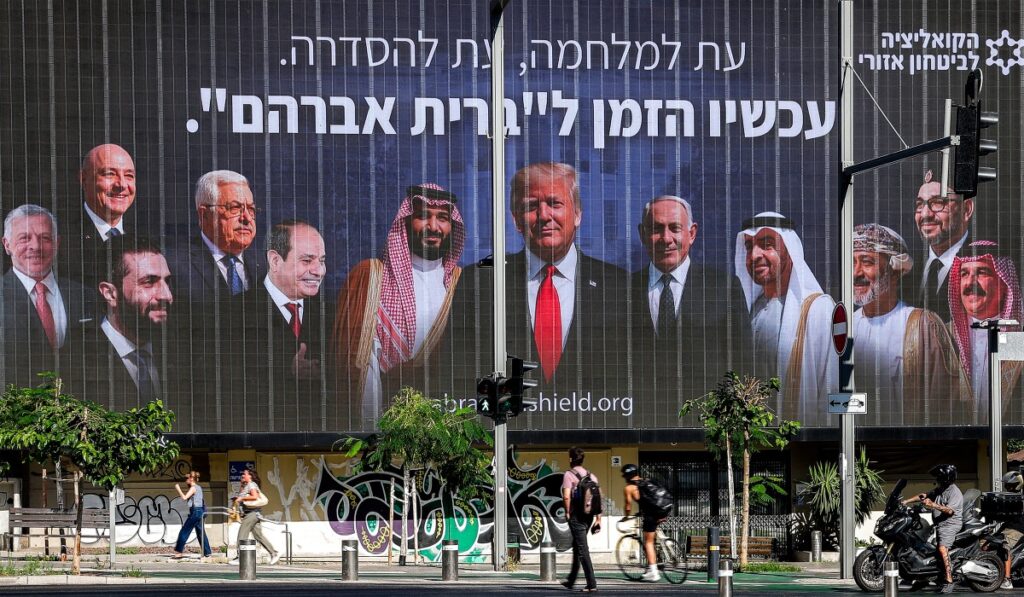
He noted that countries were “starting to move back towards the Abraham Accords,” referring to the US-brokered normalization agreements between Israel and several Arab states.
Barrack also voiced confidence in the potential for restoring Turkish-Israeli ties, which have sharply deteriorated during the Gaza war. “It can happen again. It’s not a religious issue, it’s a misunderstanding of territorial desires,” he said. “So having a discussion, a dialogue… will take place.”